Man With Van in South Wimbledon

Our man with van service in South Wimbledon is set up for straightforward local moves, one-off transport and careful item collection when you need practical help rather than a full-scale removal. It suits people moving a few rooms, shifting furniture between addresses, or sending bulky pieces across town with the right vehicle and handling support. The focus is on keeping the job organised, the load secure and the plan clear from the outset.
We handle everyday moving tasks with a flexible approach that can suit households, landlords, tenants and businesses. That may include single-item transport, partial loads, clearances involving larger items, or help moving belongings into storage. If you need a clear view of pricing and quotes before arranging anything, that is a sensible place to start, especially when you want the work described against the actual items and access involved.
For smaller jobs, the best results usually come from a simple discussion of what needs moving, where it is going and how it can be carried safely. Heavy or awkward items may need more than one person, protective wrapping or a vehicle with suitable space, while mixed loads are easier when the packing order is thought through in advance. If you already know the basics, tell us the key details and we can help shape the move around them.
Home moves arranged around your load

Home moves rarely look the same from one address to the next, so our service is designed to cope with practical differences in volume, access and handling. A short local move might need only careful loading and transport, while a larger household job can involve multiple pieces of furniture, boxes, white goods and a tighter order for the route between properties. We work with the load that is actually there, not a generic moving template.
Useful planning starts with identifying which rooms or items are going, which pieces need dismantling, and whether anything should travel separately for protection. If there are stairs, narrow entrances or shared access points, these can affect how the move is organised. A simple list is often enough, and photos can help when there are unusually bulky items or delicate surfaces. That preparation makes it easier to shape the move without unnecessary back-and-forth.
Common home moving requests include furniture transport, mattress moves, appliance relocation, student moves, and support for tenants between rented properties. For broader domestic work, our home moves page gives a useful overview of the kind of support that can be arranged, while the broader house removals option is suited to fuller moves where more contents need to travel together.
Furniture, single items and awkward pieces

Many customers do not need a whole removal van; they simply need one large item moved without damage or wasted effort. That is where furniture transport becomes especially useful. Sofas, wardrobes, desks, dining tables, bed frames and similar pieces can often be carried efficiently when the load is planned well and the right lifting approach is used. The key is matching the handling method to the object, not forcing everything into the same process.
Awkward items may need stripping down before travel, while fragile finishes benefit from wrapping and a clear loading position inside the vehicle. We can also help with collections from shops, private sellers or storage units when you want a practical transport solution rather than an expensive delivery arrangement. For dedicated single-item work, furniture pick-up is a relevant destination, and the wider man and van removals service is useful where the job includes a few additional belongings as well.
If you are moving one or two larger items, it helps to note whether they must pass through tight hallways, lift enclosures or upper floors. That affects both the lifting plan and the time needed on site. Protective wrapping, clear access and an accurate item list all help reduce avoidable handling. We can then approach the move in a tidy, practical way and keep the focus on safe transport rather than unnecessary complexity.
Office and commercial transport
Commercial moves often need more coordination than a domestic collection, even when the quantity of items is modest. Desks, chairs, cabinets, boxed records, display materials and small equipment all benefit from a sensible loading sequence so that the most useful items arrive in the right condition and order. Our man with van service can support straightforward business transport when speed, access and organisation all matter.
For offices, studios, workshops and retail settings, the useful question is usually not simply “how much?â€, but what kind of items are travelling and what must be kept separate. Computer equipment, paperwork and specialist fixtures may need extra care, and some jobs are easier when a building’s access times are taken into account. If you need a fuller business move, office relocation services and commercial moves are both relevant pages to review before you plan the load.
Smaller business collections can often be handled without interrupting the whole working day, provided the plan is realistic and the load is described accurately. It is often best to group items by category before the move, then decide which boxes or pieces need to stay together. That helps us keep transport efficient and makes it easier to place items where they belong at the destination rather than sorting them afterwards.
Loading, access and careful handling

Good moving work depends on more than having a van available. The process begins with access, lifting and securing the load so that items remain stable in transit and can be unloaded in the right order. Where there are stairs, long carries, limited parking or shared entrances, the handling plan matters just as much as the journey itself. This is especially true when several awkward items need to travel together.
We aim to keep the work practical and tidy from the first lift to the last piece set down. That means thinking about weight distribution, fragile surfaces, and what should be loaded first or last. If you have items that can be stacked safely, that helps maximise space; if you have delicate or unstable pieces, they should be positioned so they do not bear extra pressure. Safe loading is a process, not an afterthought, and it directly affects how smoothly the move runs.
When you are preparing a job, it is helpful to keep the advice simple: identify the heaviest items, separate anything delicate, and let us know about access restrictions or parking difficulties. A concise description can be enough for many moves, while photographs are useful if you are unsure how a particular item will travel. Man and van remains the core service for flexible transport, and moving van can be a practical match when the load is a little larger.
About South Wimbledon
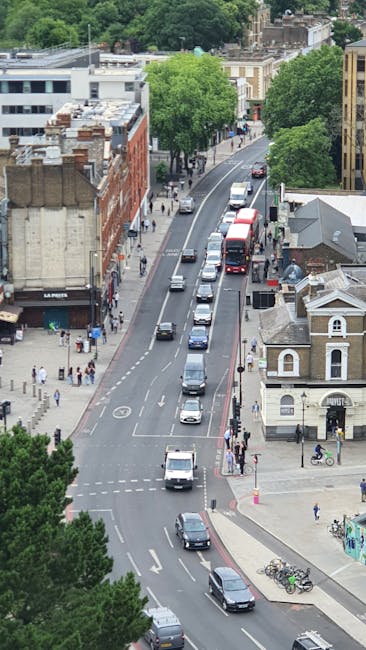
South Wimbledon lies in the London Borough of Merton, in south-west London, and is closely associated with the historic settlement around Wimbledon while still retaining its own character. The area is commonly understood through the station of the same name on the Northern line, which sits on the Morden branch and gives the district strong transport links to the wider capital. Around it are residential streets, small retail parades and a patchwork of post-war and later development that reflects the gradual growth of outer London. The district also sits near the edge of Wimbledon town centre, so its everyday life is shaped by both neighbourhood convenience and access to a larger commercial core. In the broader local landscape, Wimbledon Common, Morden Hall Park and the River Wandle are important reference points for movement, open space and heritage. The common offers one of London’s best-known stretches of protected open land, while Morden Hall Park preserves landscaped grounds and traces of the former estate. The River Wandle has a long industrial history and still forms a significant natural corridor through the borough. South Wimbledon itself includes a mix of homes, schools, local businesses and residential streets, with architecture that ranges from earlier suburban housing to later infill and redevelopment. The result is a place that feels connected to the wider city yet still readable as a distinct neighbourhood, with everyday patterns shaped by rail, bus routes, nearby parks and the gradual layering of London’s built environment.
Packing, preparation and practical choices

Some moves are simplest when items are ready to load in clearly labelled boxes, while others involve loose possessions, furniture that must be wrapped, or goods collected from more than one room. Packing and unpacking support can make the job easier if you want help turning a mixed load into something that can be transported efficiently. The point is not to overcomplicate the move; it is to choose the level of help that suits the amount of sorting involved.
Our packing and unpacking services page is useful if you want to understand how that kind of support fits alongside transport. In some jobs, packing and loading go hand in hand, especially when the moving schedule is tight or the load includes fragile items. In others, customers only need help with the transport stage, and keeping the preparation simple is the better option. The right choice depends on the volume, the variety of belongings and how much time you want to spend arranging them.
If a move is straightforward, a concise inventory and clear access instructions may be enough. If the job is more involved, dividing the work into categories can be more efficient: what travels now, what stays behind, what needs to be wrapped, and what must be lifted with care. Good preparation saves time because it reduces confusion at both addresses. When you are ready, make contact and ask for a quotation based on the actual move.
When a removal van is the better fit
Not every job suits the same vehicle size, and sometimes the most useful service is one that sits between a small item collection and a full house removal. A removal van can be the better choice when there are several pieces of furniture, a stack of boxes or a load that needs a bit more capacity than an ordinary car could manage. The aim is to match the transport method to the job rather than overstate what is required.
We can help assess whether the contents you have in mind are better suited to a compact load, a mixed domestic move or a more formal removal arrangement. The relevant page for broader vehicle-based support is removal van, while removal services covers the wider category of moving support available through the site. For customers comparing approaches, that makes it easier to choose a sensible level of service without paying for more than the job actually needs.
It is also worth thinking about how the items will be handled once they arrive. If boxes need to go to several rooms, or furniture has to be placed carefully in a new layout, telling us that in advance helps the move go more smoothly. The vehicle is only one part of the job; good planning also depends on knowing what should happen at delivery and which pieces need the most care.
Clear collections, removals and recyclable items
Some customers book a man with van service because they need things taken away rather than moved from one home to another. That might involve unwanted furniture, mixed household items, old office contents or a partial clear-out before a relocation. The important point is that the collection is approached in a controlled way so the load can be managed safely and sensibly, especially when the items vary in size or condition.
For those situations, the work may overlap with moving and disposal-style transport without becoming a full clearance operation. The destination page removals gives a broad sense of the main category, while recycling and sustainability is relevant when you want to understand how items with continued use or recoverable material can be handled in a more considered way. Where a move also involves disposal decisions, it helps to separate keep, move and remove before the job begins.
Reusing or recycling suitable items can sometimes be the cleanest outcome, but the exact approach depends on what is being collected and the condition of the load. Heavy furniture, broken items and mixed contents all need different handling, so describing the job clearly helps us plan it correctly. If you are uncertain whether a collection is best treated as transport or clearance, a short description is often enough to work that out.
Quotation details and next steps
Quoted transport work is usually shaped by the items, the access and the distance involved. The size and weight of the load, the need for stairs or multiple trips, and any requirement for careful wrapping all affect how the job is planned. For that reason, it helps to share practical details rather than simply saying you need a van. The more accurately the task is described, the easier it is to match the service to the job.
Two bits of information are especially useful: what is being moved, and where it needs to go. After that, notes on parking, floor level, dismantling and timing can help fill in the rest. You do not need to overprepare, but a clear overview saves time later and gives the quotation a proper basis. If the job is straightforward, the discussion can stay brief; if it is more involved, the detail just needs to reflect the real move.
Use the service pages that best fit your needs, then ask for a quotation when you are ready. You can contact us to discuss the move, or simply request a quotation in plain English with the items and addresses outlined clearly. If you want to compare options first, review the relevant transport pages and then decide what level of help makes the most sense for your move.