South Wimbledon removals guide for Haydons Road and SW19
Posted on 27/07/2026
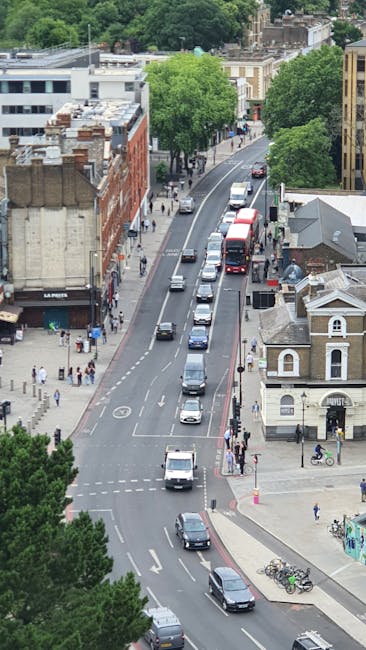
If you are planning a move around Haydons Road or anywhere in SW19, a good moving plan matters more than people think. Streets can be busy, parking can be awkward, and even a short-distance move can become a long day if the packing, timing, or access details are off. This South Wimbledon removals guide for Haydons Road and SW19 is here to make the whole process feel calmer, clearer, and a lot more manageable.
Whether you are moving from a flat near the station, relocating a family home, or shifting office furniture across the area, the right approach saves time, money, and stress. And honestly, it is the small things that usually decide whether moving day feels smooth or a bit chaotic. A box labelled properly. A van booked at the right time. A hallway measured before the sofa is lifted. You know the sort of thing.
Below, you will find a practical breakdown of how removals work locally, what to watch for, and how to choose the right moving method for your circumstances. There is also a checklist, a comparison table, and a realistic example drawn from the sort of move people make around South Wimbledon every week.
- Why South Wimbledon removals guide for Haydons Road and SW19 matters
- How the moving process works locally
- Key benefits and practical advantages
- Who this is for and when it makes sense
- Step-by-step guidance
- Expert tips for better results
- Common mistakes to avoid
- Tools, resources and recommendations
- Law, compliance, standards, and best practice
- Options and comparison table
- Case study or real-world example
- Practical checklist
- Conclusion
- Frequently asked questions
Why South Wimbledon removals guide for Haydons Road and SW19 Matters
Haydons Road sits in a part of London where moving logistics can change from one street to the next. Some properties have straightforward access, while others involve tight stairwells, controlled parking, or limited loading space. That difference affects the vehicle you need, how much help you need, and how early you should start planning. In SW19, those details are not a side issue. They are the move.
This is especially true if you are moving from a flat, a shared property, or a family home with bulky furniture. A removal van that is too large can create access problems, but one that is too small can mean multiple trips. Neither option is ideal. The goal is to match the move to the space, the volume, and the route, rather than guessing and hoping for the best. Let's face it, hoping is not a moving strategy.
Local knowledge also helps with timing. School runs, commuter traffic, deliveries, and the general rhythm of the area can all affect loading and unloading. If you have ever tried to carry a mattress through a narrow doorway while somebody is waiting for a lift, you already understand why planning matters. It is not glamorous work, but it rewards preparation.
For many residents, moving is not just about transporting items. It is about protecting furniture, keeping to a deadline, and reducing the number of headaches on the day. That is why a practical guide for South Wimbledon and Haydons Road can be so useful.
How South Wimbledon removals guide for Haydons Road and SW19 Works
A local removal usually starts with a simple assessment: what needs moving, where it is coming from, where it is going, and how easy the access is at both ends. From there, you decide whether you need a full removals team, a man and van option, a smaller removal van, or a service that focuses mainly on transport with some loading support.
In practical terms, the process often looks like this:
- Inventory the items - list furniture, boxes, appliances, fragile items, and anything awkward or valuable.
- Check access - stairs, lifts, driveway space, parking rules, and doorway widths all matter.
- Choose the right service - a flat move may need a different setup from a house or office move.
- Book the timing - aim to reduce traffic pressure and avoid building handover clashes.
- Pack in a way that travels well - secure boxes, wrap fragile items, and separate essentials.
- Move with a clear loading order - heavy items first, delicate items protected, essentials easy to reach.
If you are looking at broader moving support, it can help to review the available removal services in South Wimbledon before deciding which type of move suits you best. For some people, that will point towards a full-service solution. For others, a simpler setup is enough.
It is also worth thinking about the kind of property involved. A top-floor flat near the station, for example, tends to need a very different approach from a ground-floor house move. In the first case, speed, lifting safety, and careful packing matter more. In the second, you may be more focused on volume and vehicle space. Same postcode, different story.
Key Benefits and Practical Advantages
The main benefit of getting your South Wimbledon move properly planned is simple: less disruption. But there are a few practical advantages that are easy to underestimate.
- Fewer trips - the right vehicle size reduces back-and-forth runs.
- Lower damage risk - good packing and proper handling protect furniture and boxes.
- Better time control - a structured move keeps the day from drifting into evening.
- Less physical strain - ideal if you are dealing with stairs, large furniture, or awkward items.
- Cleaner handover - especially important if you are leaving a rented property or meeting a tight completion schedule.
There is also a less obvious benefit: emotional relief. Moving can be noisy, messy, and oddly draining. Boxes everywhere. The kettle packed. Someone asking where the charger is while you are trying to tape shut a wardrobe box. A plan helps you stay in control when everything else is in motion.
If you are comparing different moving methods, a focused look at man and van services in South Wimbledon can be useful for smaller or medium-sized moves. For a lot of local residents, that option hits the sweet spot between flexibility and cost.
And if your move includes fragile or awkward household items, a specialist approach can make a big difference. For example, furniture that has to be dismantled, wrapped, and rebuilt benefits from careful handling rather than a rushed lift-and-load routine. That is where experience really shows.
Who This Is For and When It Makes Sense
This guide is useful for anyone moving within or around SW19, but it is especially relevant if you fit one of these situations:
- Flat movers who need help with stairs, lifts, or limited access
- Families moving from larger homes with mixed furniture and household contents
- Students and sharers moving smaller loads on a tighter schedule
- Office movers relocating desks, chairs, IT equipment, or archived materials
- Landlords and tenants managing end-of-tenancy deadlines
- Homeowners coordinating completion dates, storage, and handover timings
If you are a student moving between term-time accommodation and a new room or flat, the planning looks different again. You probably do not need a huge vehicle, but you may need timing flexibility and quick loading support. The service details on student removals in South Wimbledon are worth reviewing if that sounds familiar.
For bigger household moves, a more comprehensive setup can save a lot of effort. A move involving beds, wardrobes, white goods, and boxes of everyday life is not the same as shifting a few suitcases and a desk. It sounds obvious, but people still get caught out by underestimating volume. Every time.
And if you are moving valuable or special items, the situation deserves extra care. A piano, for instance, is not just another heavy object. It needs the right handling, balance, protection, and transport method. That is not the moment to improvise.
Step-by-Step Guidance
A smooth move around Haydons Road and SW19 usually comes down to a few disciplined steps. Nothing fancy. Just solid execution.
1. Start with a room-by-room list
Walk through each room and write down what is actually moving. Not what you think is there. What is there. That tiny distinction saves time later. Separate furniture, electronics, breakables, clothes, and daily essentials.
2. Decide what you do not need to move
Moving is a great excuse to reduce clutter. Old boxes, spare chairs, duplicate utensils, and those mysterious "keep just in case" items can often be donated, recycled, or disposed of properly. Fewer items means less labour and less packing stress.
3. Measure large items and access points
Measure wardrobes, sofas, beds, and anything awkward. Then check door frames, hallways, stair turns, and lift sizes. A sofa that fits in the lounge may still refuse to make the corner by the stairs. It happens more often than people expect.
4. Choose the right moving format
For smaller jobs, a compact transport option may be enough. For larger or more complex relocations, a fuller removals package is usually better. If you are unsure, it helps to compare the options on the services overview and think about what level of help you really need.
5. Pack with the order of unloading in mind
Keep daily essentials accessible. Put bedding, chargers, toiletries, snacks, and key documents in a separate bag. Label each box by room and, if possible, by priority. That way you are not hunting for a coffee mug at 9pm while sitting on a dismantled bed frame.
6. Confirm timing and access details
Make sure everyone knows the moving window, entry instructions, parking arrangements, and contact details. If the van cannot stop near the property, everything slows down. This is one of those details that feels small right up until it becomes the whole problem.
7. Do a final sweep before departure
Check cupboards, loft spaces, under beds, and behind doors. The last thing you want is to arrive at the new place and discover the kettle, router, or a child's favourite toy is still behind in the old kitchen.
Expert Tips for Better Results
In our experience, a few smart habits make a very real difference on move day.
- Move the heaviest items early - large furniture is easier to manage when the team is fresh.
- Use sturdy boxes, not mismatched leftovers - weak boxes collapse at the worst moment.
- Keep screws and fittings in labelled bags - tape them to the item they belong to when possible.
- Take photos of complex setups - especially for electronics, shelving, or desks that need rebuilding.
- Keep valuables with you - passports, jewellery, medication, and key documents should not disappear into the van.
- Think in zones - parking, loading, transit, unloading. Each one has its own risk.
If you need packing support, it is worth looking at packing and boxes in South Wimbledon. Good packing material is not glamorous, but it does save the day when a box gets nudged, stacked, or tilted a bit more than you expected.
Another useful tip: do not leave everything until the night before. A rushed pack is usually a messy pack. And messy packing tends to become noisy unpacking. You will know it when you hear it - that familiar rattle of plates, cables, and regret.
For households planning ahead, temporary overflow storage can also be a sensible safety valve. It gives you space to move gradually instead of trying to solve every room in one blast. That alone can make the move feel less overwhelming.

Common Mistakes to Avoid
Most moving problems are predictable. That is the frustrating bit. But the good news is that they are also avoidable.
- Booking the wrong size vehicle - too small means delays; too large can create access issues.
- Underestimating packing time - packing always takes longer than you think.
- Not checking parking or loading conditions - this is a classic local headache.
- Mixing essentials with general boxes - finding basics later becomes a chore.
- Ignoring special handling needs - glass, antiques, instruments, and heavy furniture all need thought.
- Failing to confirm the building rules - some blocks have very specific move-in or move-out expectations.
One of the biggest mistakes is treating a local move like a casual errand. "It is just around the corner" sounds comforting, until you realise the lift is out, the parking bay is occupied, and the sofa does not turn the stair landing. Then the whole thing becomes a production. A small one, perhaps, but still a production.
If you are unsure about handling fragile or bulky possessions, a dedicated furniture moving option can be safer than a general approach. It is often the difference between careful transport and a bit of crossed fingers.
Tools, Resources and Recommendations
You do not need a huge toolkit to make a move go well, but a few things are worth having ready:
- Strong tape for sealing boxes and securing loose fittings
- Permanent marker pens for clear labelling
- Bubble wrap or paper padding for fragile items
- Blankets or furniture covers for protecting larger pieces
- Reusable bags for essentials and last-minute items
- Basic tools for dismantling furniture and reconnecting items
For moving support that fits different property types, it can help to review flat removals in South Wimbledon and house removals in South Wimbledon. The needs of each are different, even when the postcode is the same.
Some readers will also benefit from storage. That can be useful when completion dates do not line up, when decorating is still underway, or when you simply want the move split into stages. If that is your situation, look at storage in South Wimbledon as part of your planning.
And if you are after a smaller, more flexible moving setup, a man with a van in South Wimbledon may fit the job neatly. That kind of service is often chosen for fast, practical, local moves where simplicity matters more than a large crew.
Law, Compliance, Standards, or Best Practice
For most home moves, the main compliance concerns are practical rather than complicated. Still, they matter. Good removal practice should account for safe lifting, careful handling, insurance awareness, and respect for property rules. If a building has loading restrictions or access conditions, those should be followed. Common sense, but still worth saying.
Drivers and movers should also work within normal UK road safety expectations and use vehicles that are roadworthy and suitable for the load. That includes secure loading, sensible weight distribution, and care with fragile or unstable items. No one wants a box of crockery sliding sideways in transit. Nobody.
It is also sensible to think about insurance and liability in plain English before moving day. You want to know what happens if an item is damaged, who is handling what, and how complaints are dealt with if something goes wrong. For clarity on that side of things, insurance and safety information and the site's terms and conditions are worth reviewing.
Health and safety is not just a box-ticking exercise. Safe lifting, stable stacking, clear walkways, and good communication protect both people and possessions. If you are booking a service, it is perfectly reasonable to ask how items are handled and what precautions are taken. In fact, you should ask.
For readers who want to understand the company behind the service, the about us page can help explain the approach and values. You can also check the health and safety policy and recycling and sustainability information if those matter to you. They often do, especially if you are trying to reduce waste while moving.
Options, Methods, or Comparison Table
Here is a simple comparison to help you choose the right moving approach for Haydons Road and SW19.
| Option | Best for | Typical strengths | Possible drawbacks |
|---|---|---|---|
| Man and van | Small to medium local moves | Flexible, practical, usually quick to arrange | May not suit very large or complex moves |
| Full removals service | Households with more furniture or time pressure | More support, less manual work for you | Can be more involved to organise |
| Removal van only | Confident movers who mainly need transport | Efficient for straightforward jobs | You may need to handle more of the lifting |
| Specialist item service | Pianos, heavy furniture, fragile pieces | Better handling for difficult items | Needs more planning and accuracy |
| Storage plus move | Staged moves, delays, decluttering | Reduces pressure when dates do not align | Extra coordination and cost to consider |
That table is not meant to overcomplicate things. It is just a practical way to stop guessing. If your move is mostly boxes and a few pieces of furniture, a flexible local option may be all you need. If you are dealing with bulky furniture, stairs, and a deadline, lean towards a more supported service.
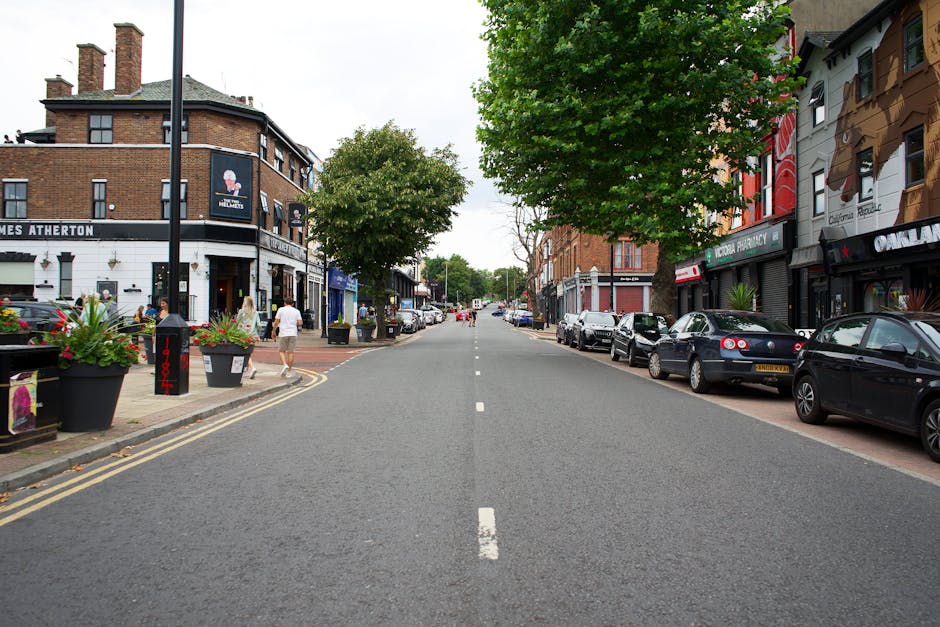
Case Study or Real-World Example
Picture a couple moving from a second-floor flat near Haydons Road into a small terraced house elsewhere in SW19. They have a bed frame, a sofa, dining chairs, two bookcases, a washing machine, and about thirty boxes. Nothing outrageous, but enough to make the day busy if it is poorly handled.
They start well: boxes labelled, fragile items wrapped, keys ready, and the main furniture measured. The issue is access. The flat has a narrow stairwell and the new property has a tight front path. If they had booked a vehicle with no room for flexible loading, they would likely have had delays. Instead, they chose a setup that matched the route and volume, and the move went in stages.
One person handled essentials and rooms at the destination while the other checked off the inventory. The kettle came out first. Sensible, really. By mid-afternoon the biggest pieces were in place, and the awkward items were moved with less drama than expected. Not a perfect day, because moving days never are. But it was orderly, and that is usually what you want.
What made the difference was not luck. It was preparation, realistic vehicle choice, and awareness of access issues. That is the heart of a good local removals plan.
Practical Checklist
Use this checklist before moving day. Keep it simple and tick things off as you go.
- Confirm moving date and access times
- Check parking/loading arrangements at both addresses
- Measure large furniture and key entry points
- Separate essentials from general boxes
- Label every box by room and priority
- Wrap fragile items properly
- Dismantle large furniture if needed
- Keep valuables and documents with you
- Review service options and choose the right level of help
- Prepare a final sweep of cupboards, lofts, and storage spaces
- Keep water, snacks, and chargers accessible on the day
- Make sure children and pets are arranged safely during the move
If you want to compare broader moving choices before booking, the removals South Wimbledon page is a sensible place to start. It gives you a clearer view of the moving options available across the area.
Get a free quote today and see how much you can save.
Conclusion
A move around Haydons Road or anywhere in SW19 does not need to become a stressful marathon. With the right planning, realistic packing, and a moving service that suits the property and the volume of items, most of the pain points can be reduced before they even begin. That is the quiet truth of it.
The best South Wimbledon moves are usually the ones that look simple from the outside because somebody handled the details properly behind the scenes. Vehicle choice, access, timing, packing, and communication all matter. A little attention early on saves a lot of effort later, and sometimes that is the difference between a frazzled day and a decent one.
If you are weighing up options for a local move, start with the practicalities, not the assumptions. Think about the stairs, the parking, the furniture, and the time you actually have. Then choose the service level that fits your reality. That is how you keep a move calm, efficient, and far less messy than it could have been.
And if you are standing in a half-packed room right now, tape in hand, wondering how it all became so much stuff, take a breath. You are closer than it feels.